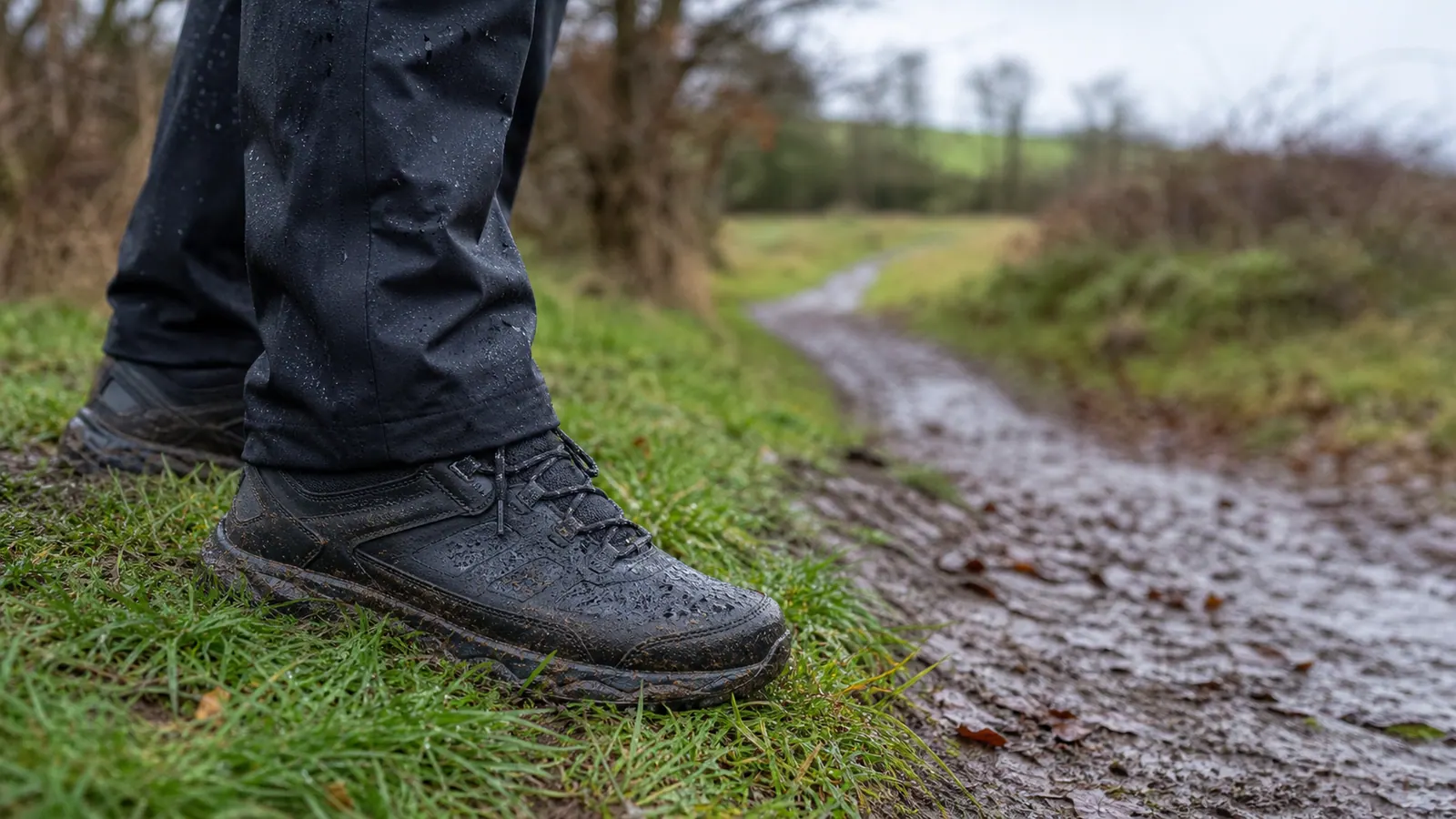
 Rain and wet grass I need grip and weather protection. Start here if damp pavements, wet grass, rainy errands, or repeat dog walks are the normal problem.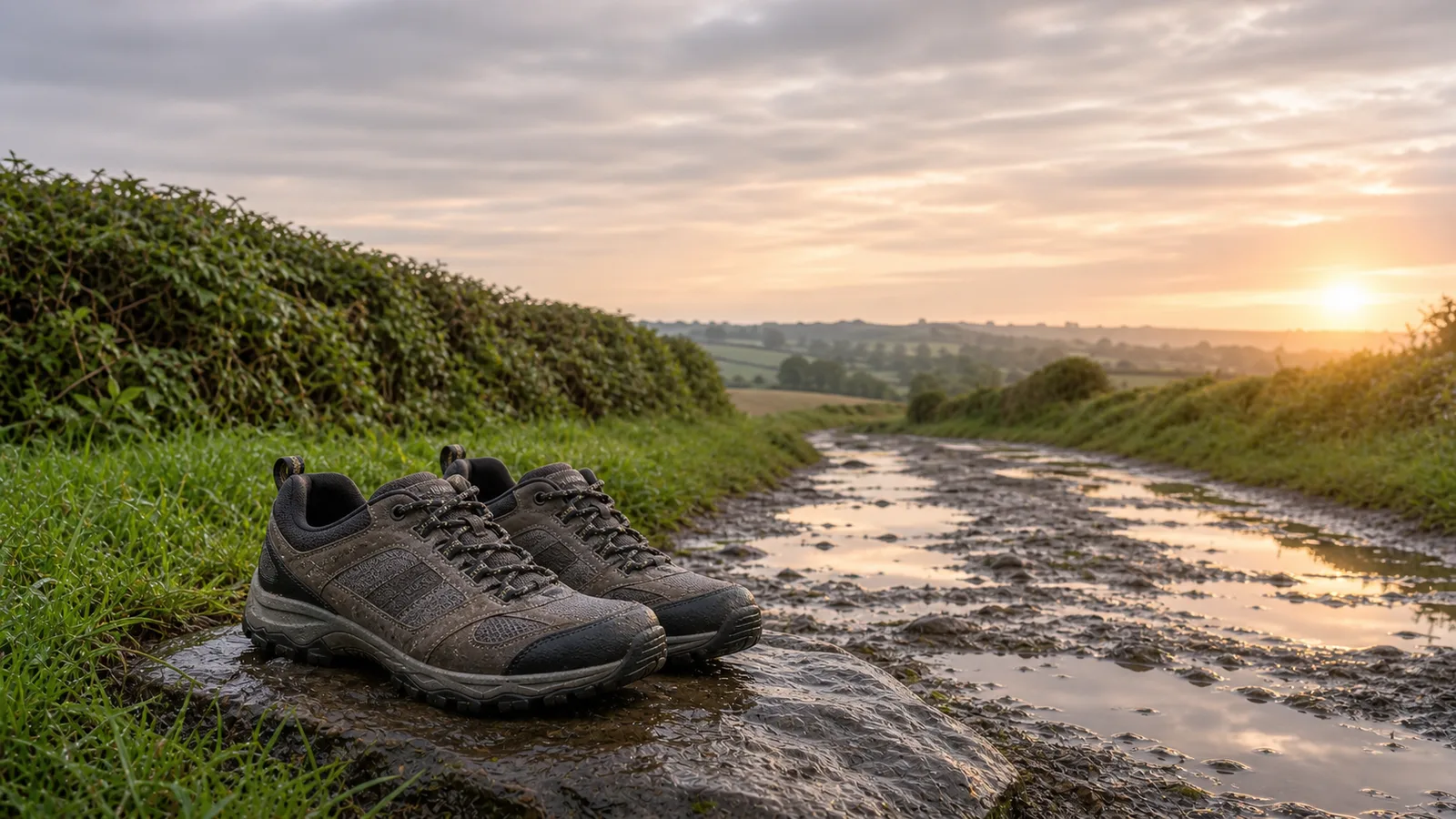
Start here
Find the walking-shoe route that matches the thing going wrong.
Pick the nearest problem: rain, width, hard floors, heel comfort, travel, work grip, or rougher paths. Then use the next page before opening retailer tabs.
Ty's rule
Do not buy the feature. Buy the walk.
Waterproofing, cushioning, support, and grip only matter when they solve the surface, fit, or comfort problem in front of you.
Choose one starting point
What does the shoe need to survive?
Rain and wet grass I need grip and weather protection. Start here if damp pavements, wet grass, rainy errands, or repeat dog walks are the normal problem. 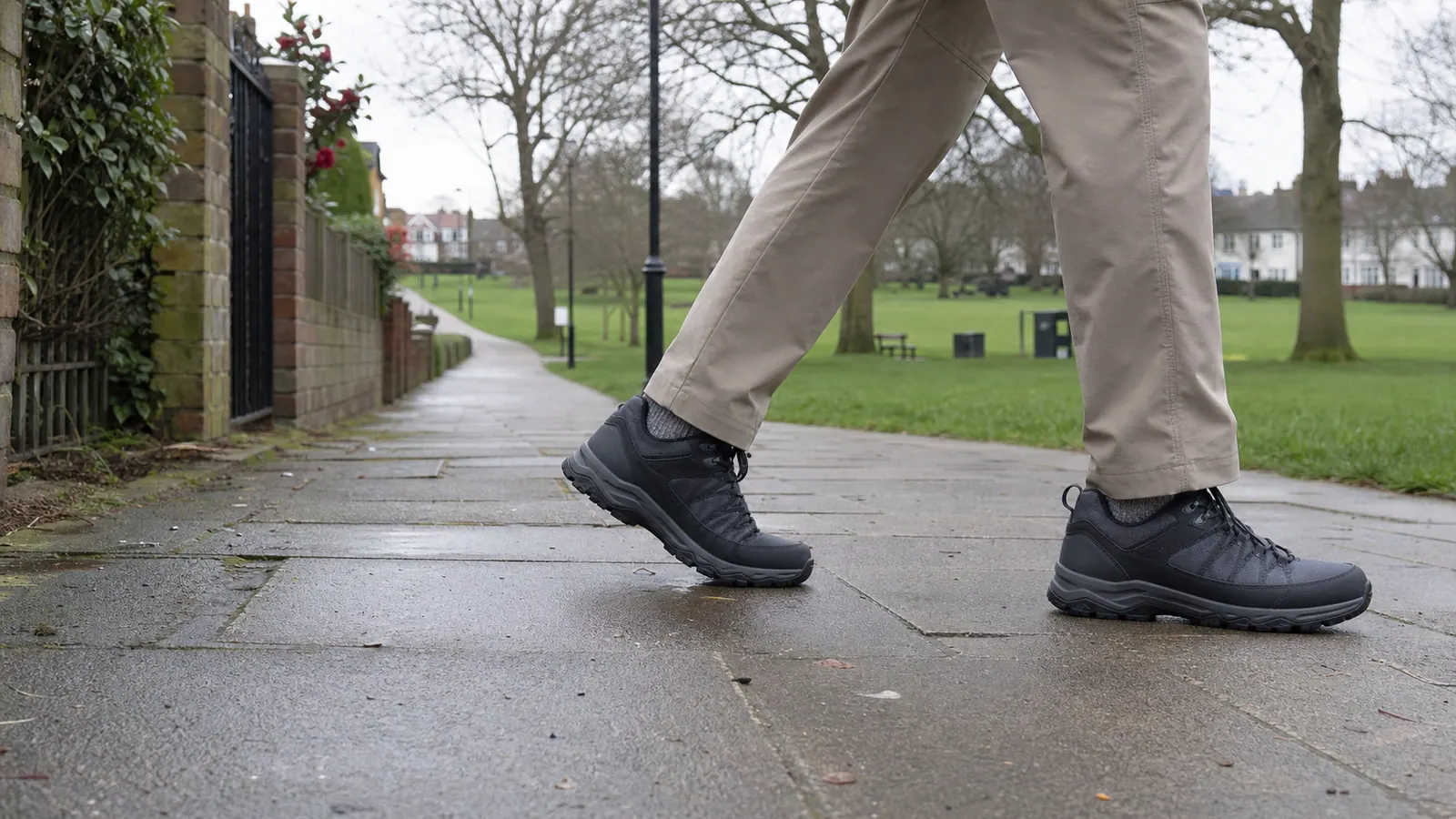 Everyday pavement I just want a sensible daily walking shoe. Use the everyday route for parks, pavements, errands, and regular local walks without overbuying.
 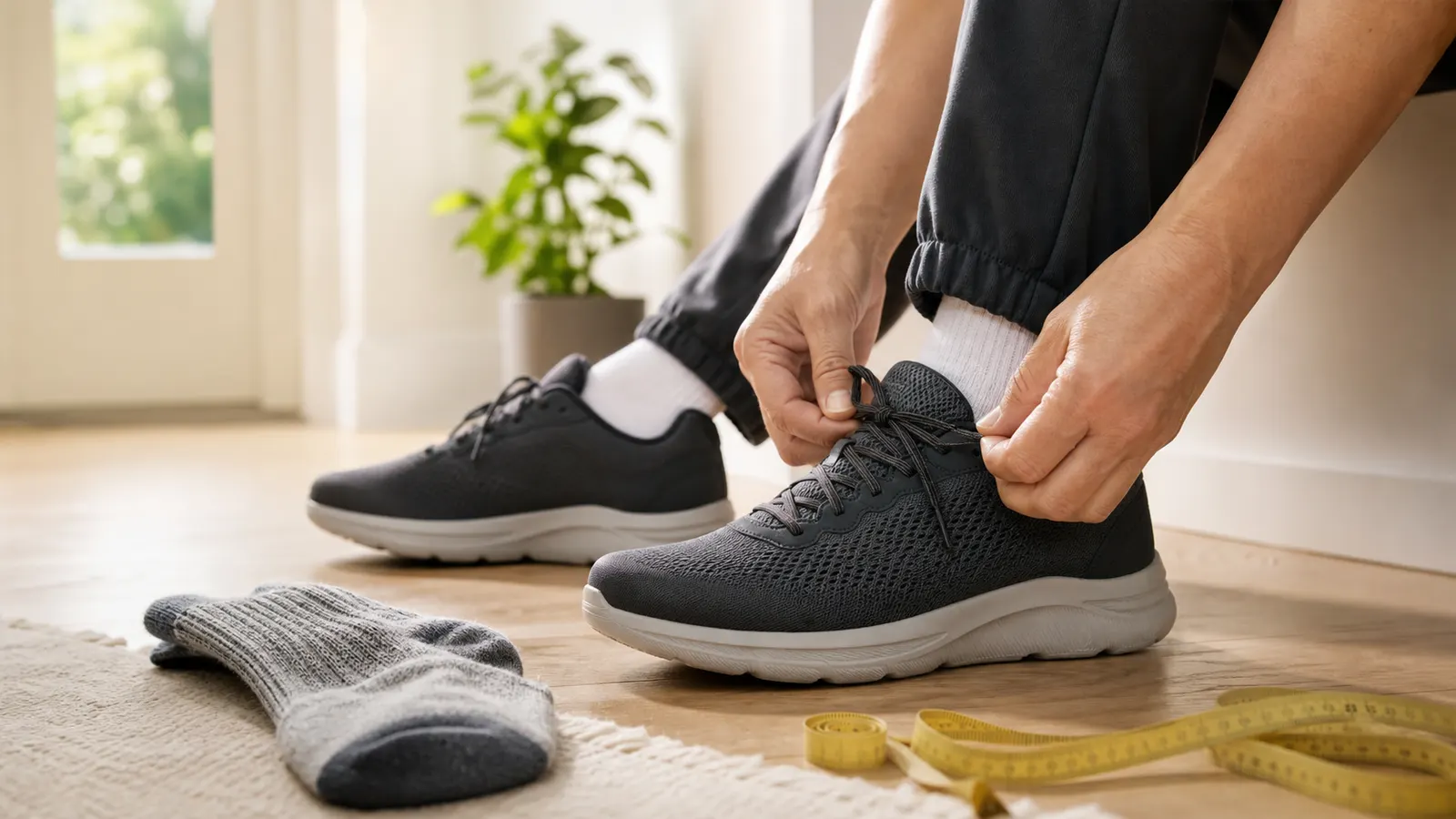 Width and toe room Standard shoes pinch my forefoot. Start with width, but still check heel hold. More room only helps if the back of the shoe stays put.
 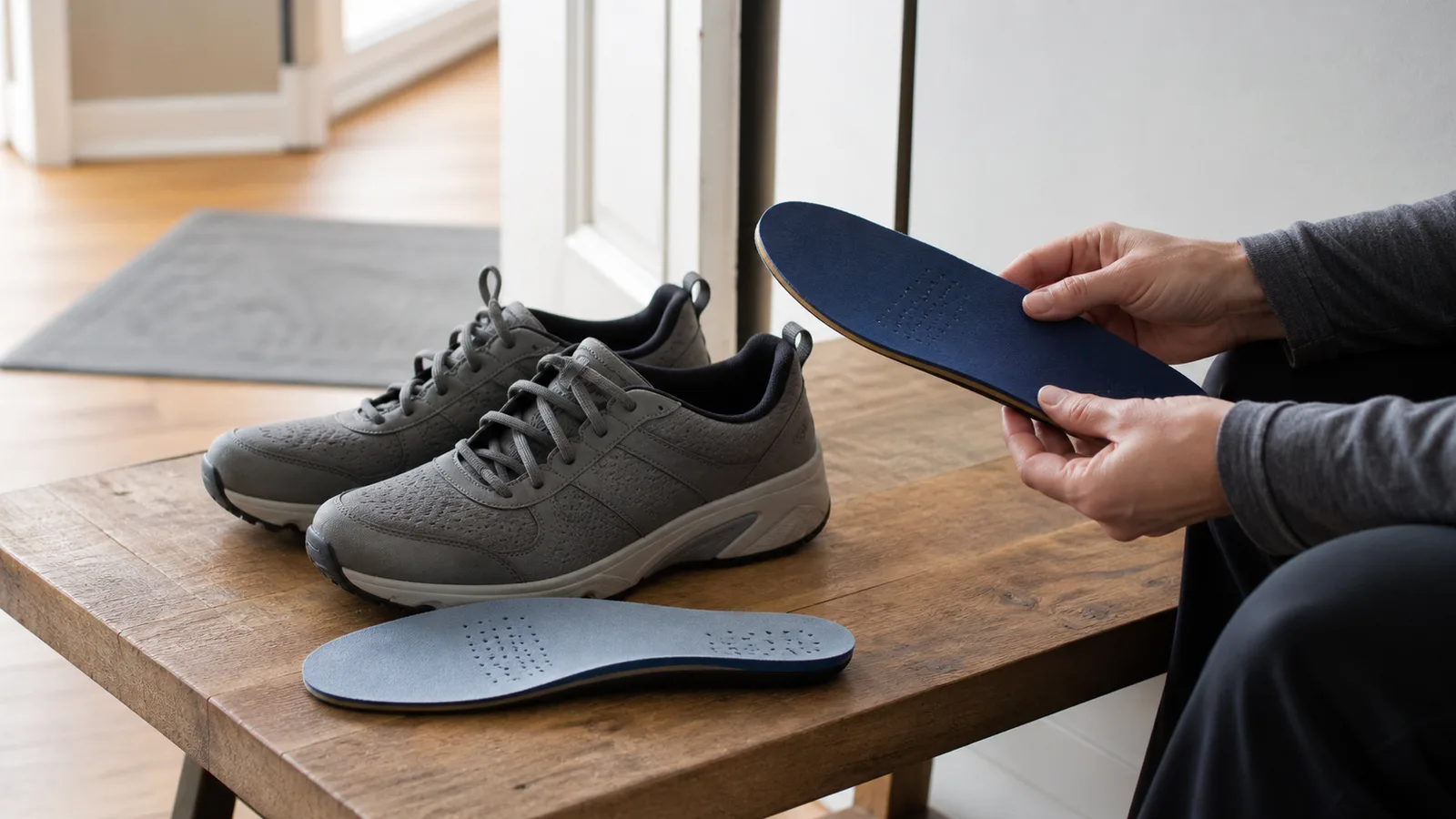 Heel or arch comfort My feet need more support. Use the foot-comfort routes carefully. They are buying checks, not medical treatment promises.
 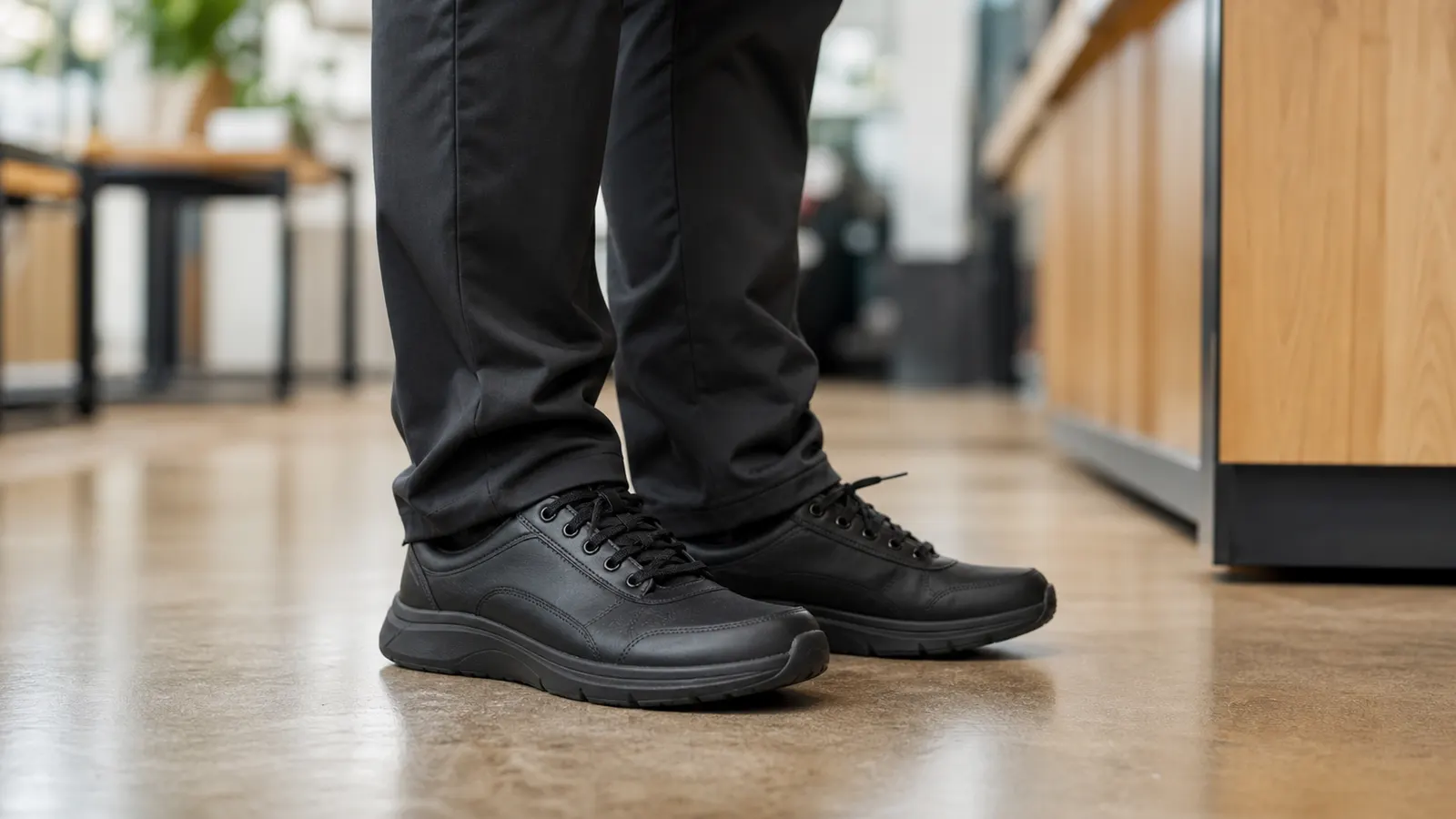 Long shifts I stand or walk on hard floors all day. Start with cushioning, stability, grip, and whether the shoe still feels steady after hours.
 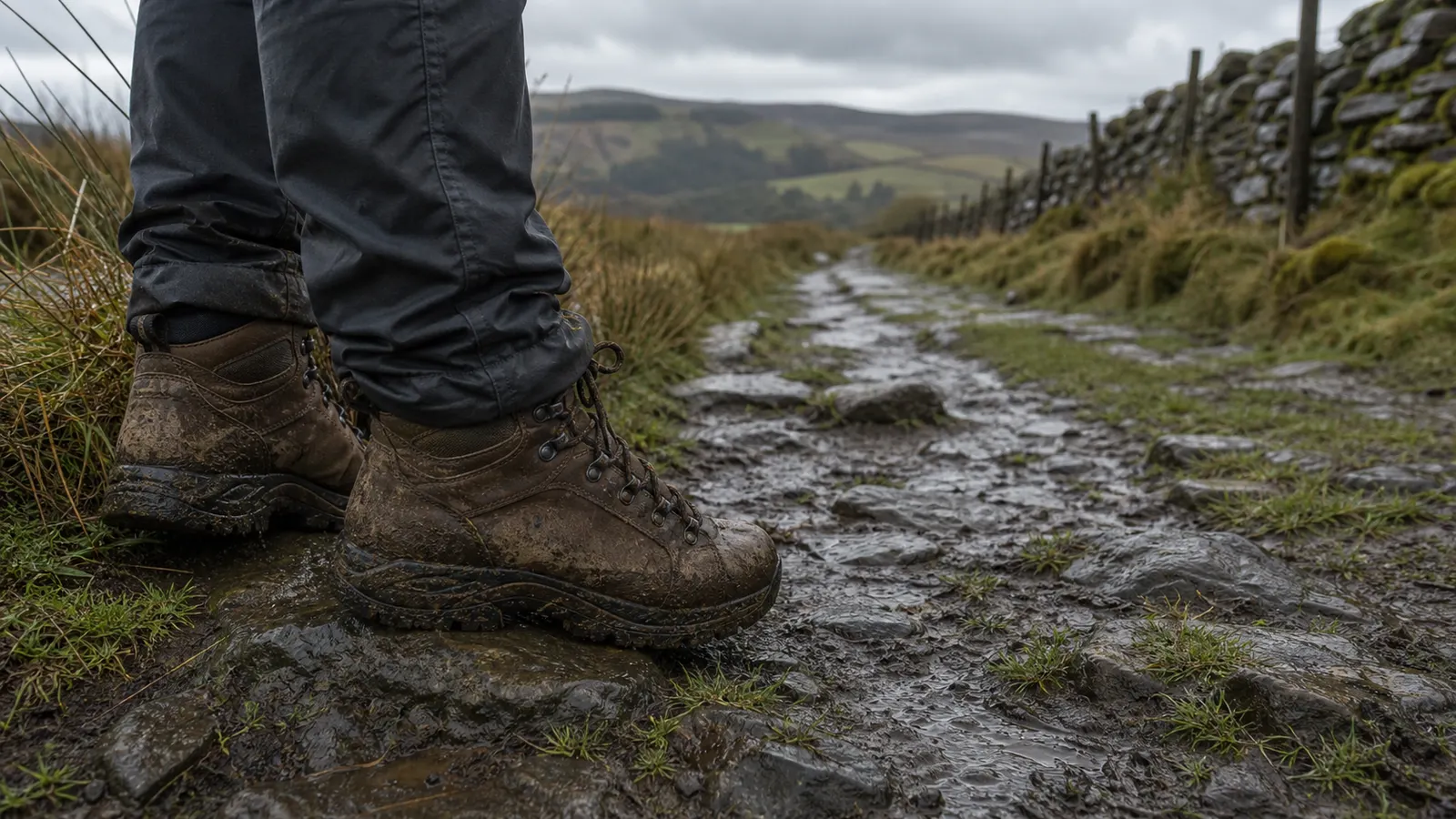 Mud and rougher paths A normal shoe might not be enough. Use the boot route when mud, uneven paths, and colder wet walks matter more than lightness.
 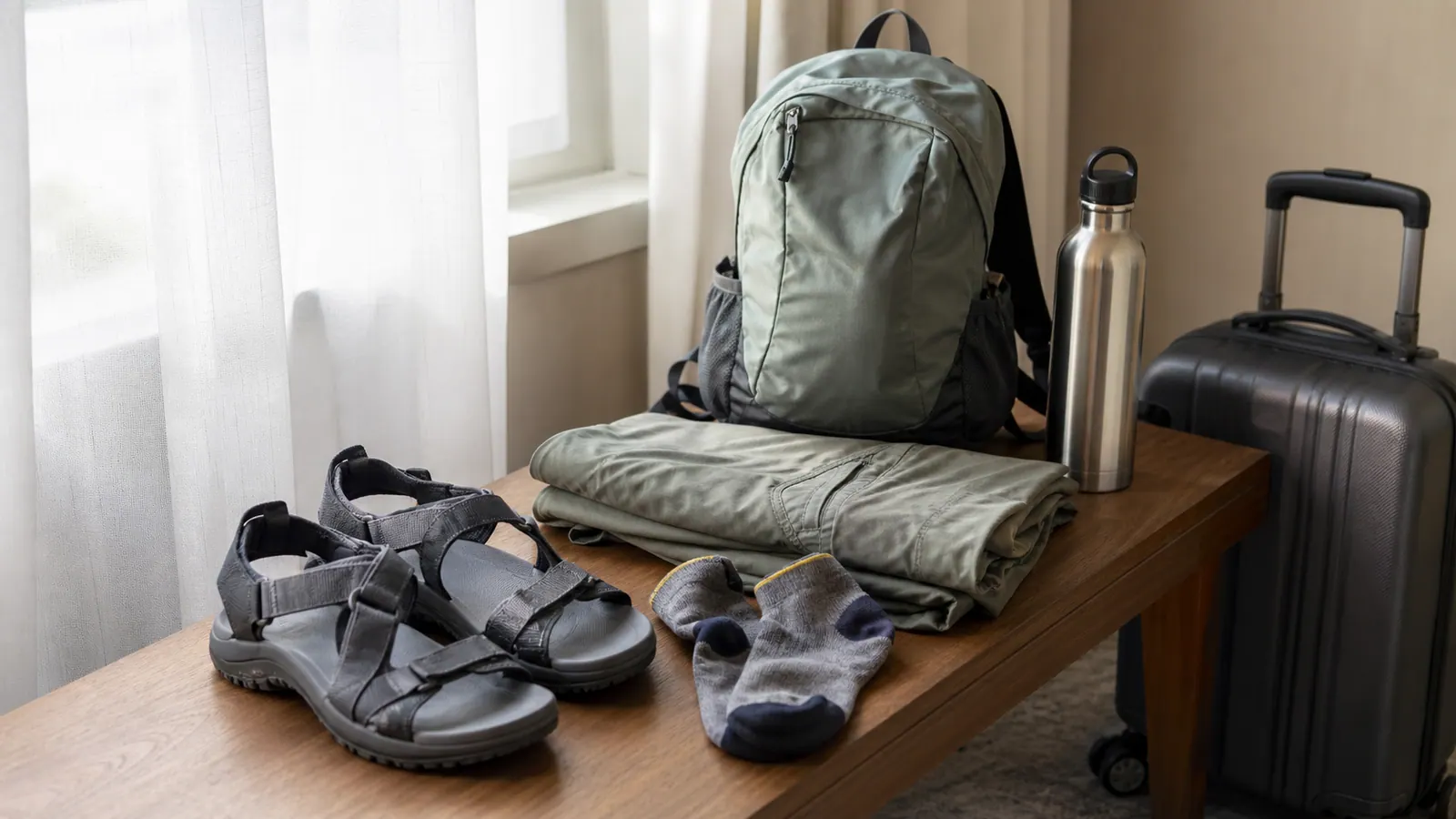 Travel and warm weather I need something lighter for trips. Start with walking sandals if straps, sole grip, and rubbing points matter more than waterproofing.
 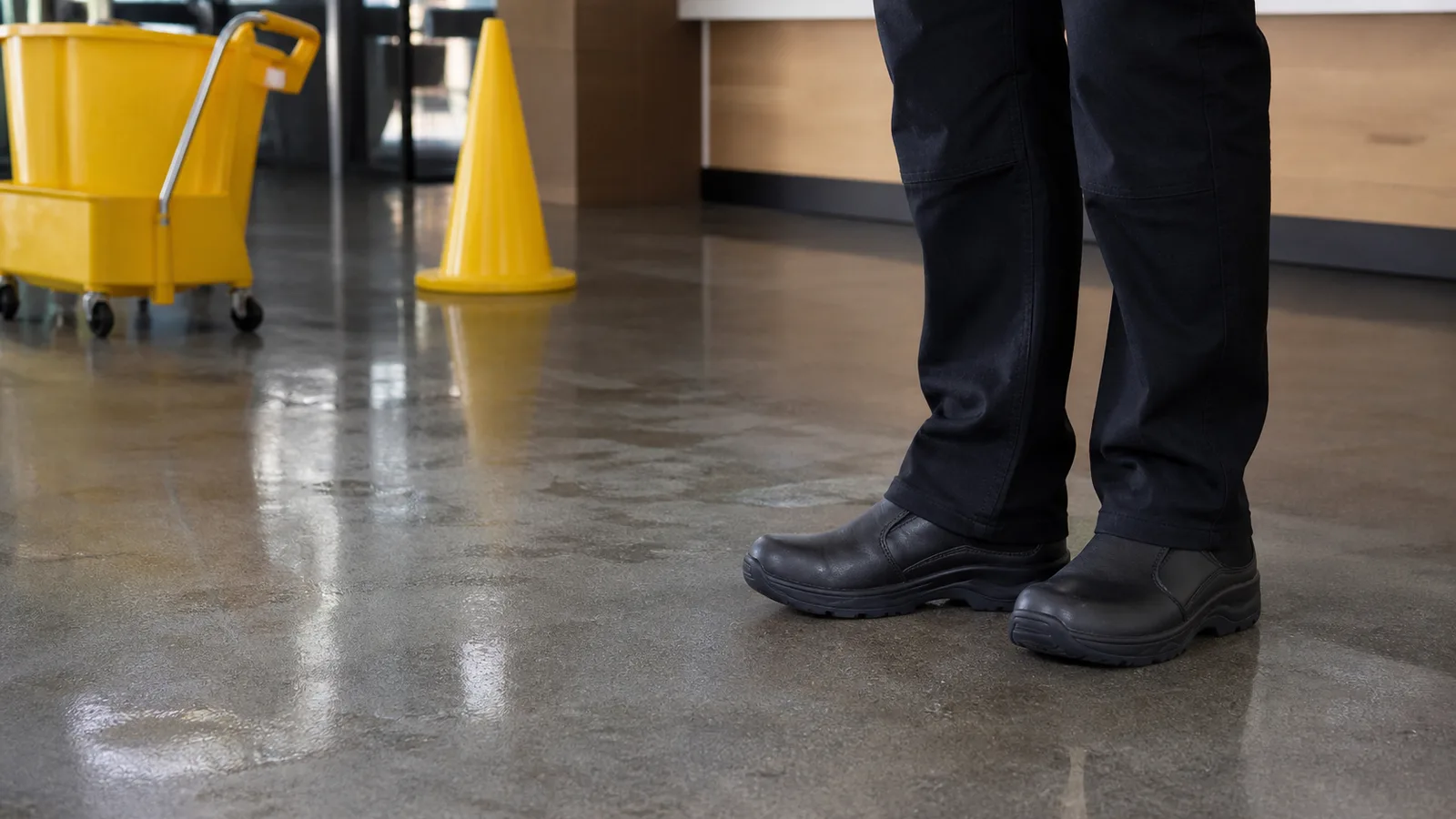 Work floors Grip and cleaning matter at work. Use the work-shoe route if polished floors, spills, dress rules, and cleaning are part of the decision.
 When two things are true
The mixed cases are where the wrong shoe slips in.
If one page feels close but not quite right, use the paired route first.
Wet walks plus mud Waterproofing helps, but outsole grip and boot coverage may matter more. Compare shoes against boots before buying a low shoe. Dog walks plus wet grass Repeated wet park loops need grip, cleaning, and a realistic waterproofing tradeoff. Use the dog-walking guide before choosing between a low shoe, boot, or dry-day comfort pair. Wide feet plus support needs Toe room and support have to work together. Check wide-fit shoes, removable insoles, and return terms. Heel discomfort plus long shifts Avoid soft shoes that feel nice for five minutes but wobble later. Check stability, cushioning, and the work surface. Travel plus mixed weather Sandals can be useful, but wet paths and colder days change the answer. Choose the option that suits most days of the trip.
Before you buy
Four checks that matter more than the name on the box.
Check 1
Fit indoors first, on the socks or insoles you actually plan to wear.
Check 2
Check heel hold and toe room together. One good fit detail does not cancel out a bad one.
Check 3
Match the shoe to the walk you do most often, not the toughest walk you can imagine.
Check 4
Keep the return window in mind until the shoe has passed a clean indoor fit check.
Careful caveat
Pages about heel pain, plantar fasciitis, flat feet, or support are general buying guidance only. If pain keeps coming back, get qualified advice.
Still unsure?
Use the plain buying guide before the best lists.
Slow the choice down: fit, surface, grip, waterproofing, cushioning, return policy, then product shortlist.