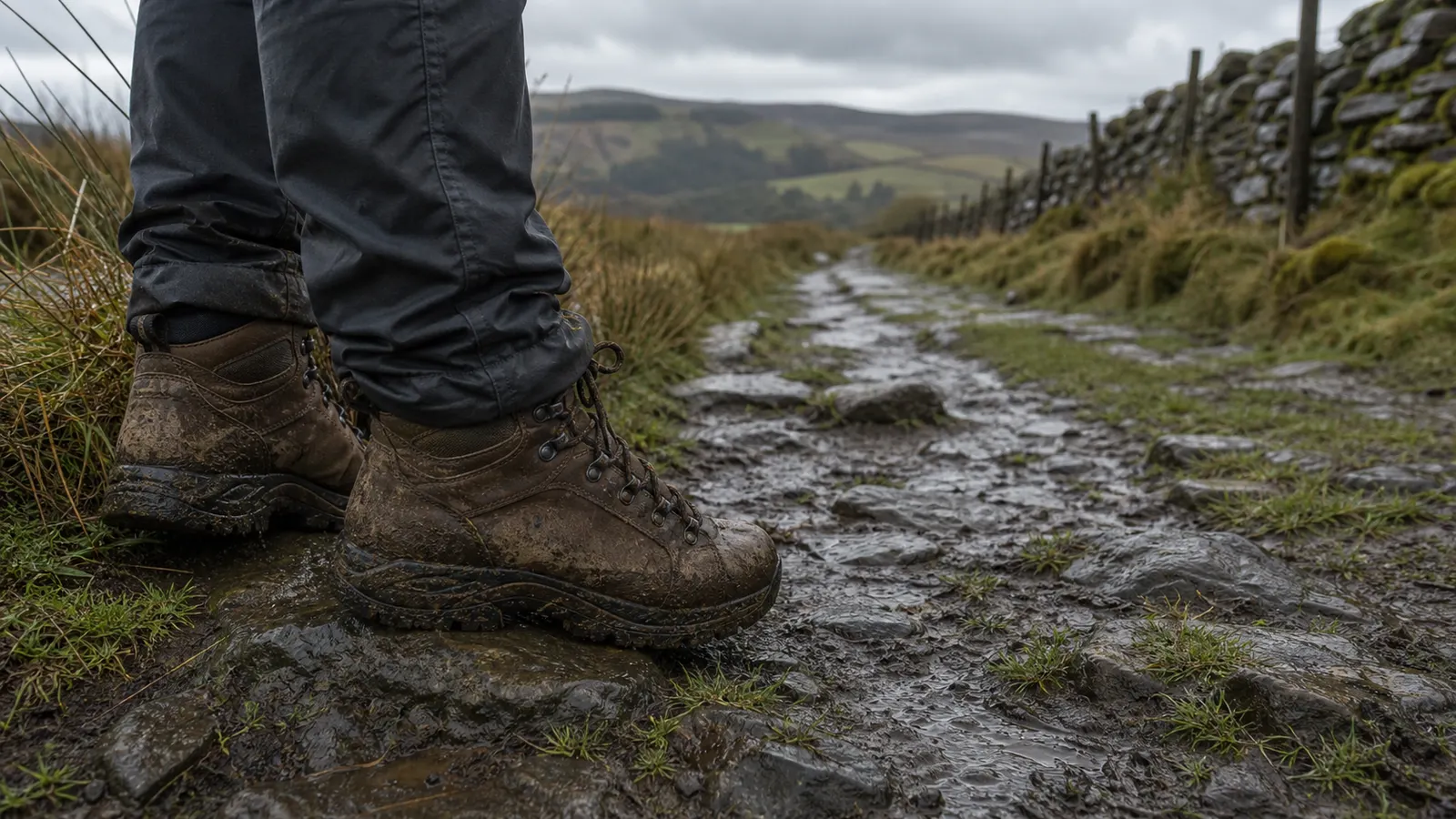
Boot shortlist
UK walking boots
Start here for grip, waterproofing, break-in, and terrain caveats.

Buying path
Boot buying advice for ankle support, grip, waterproofing, and durability.
Use this hub when mud, countryside paths, rougher ground, colder weather, or ankle protection make a boot more sensible than a low walking shoe.
Choose by need
Boot shortlist
Start here for grip, waterproofing, break-in, and terrain caveats.
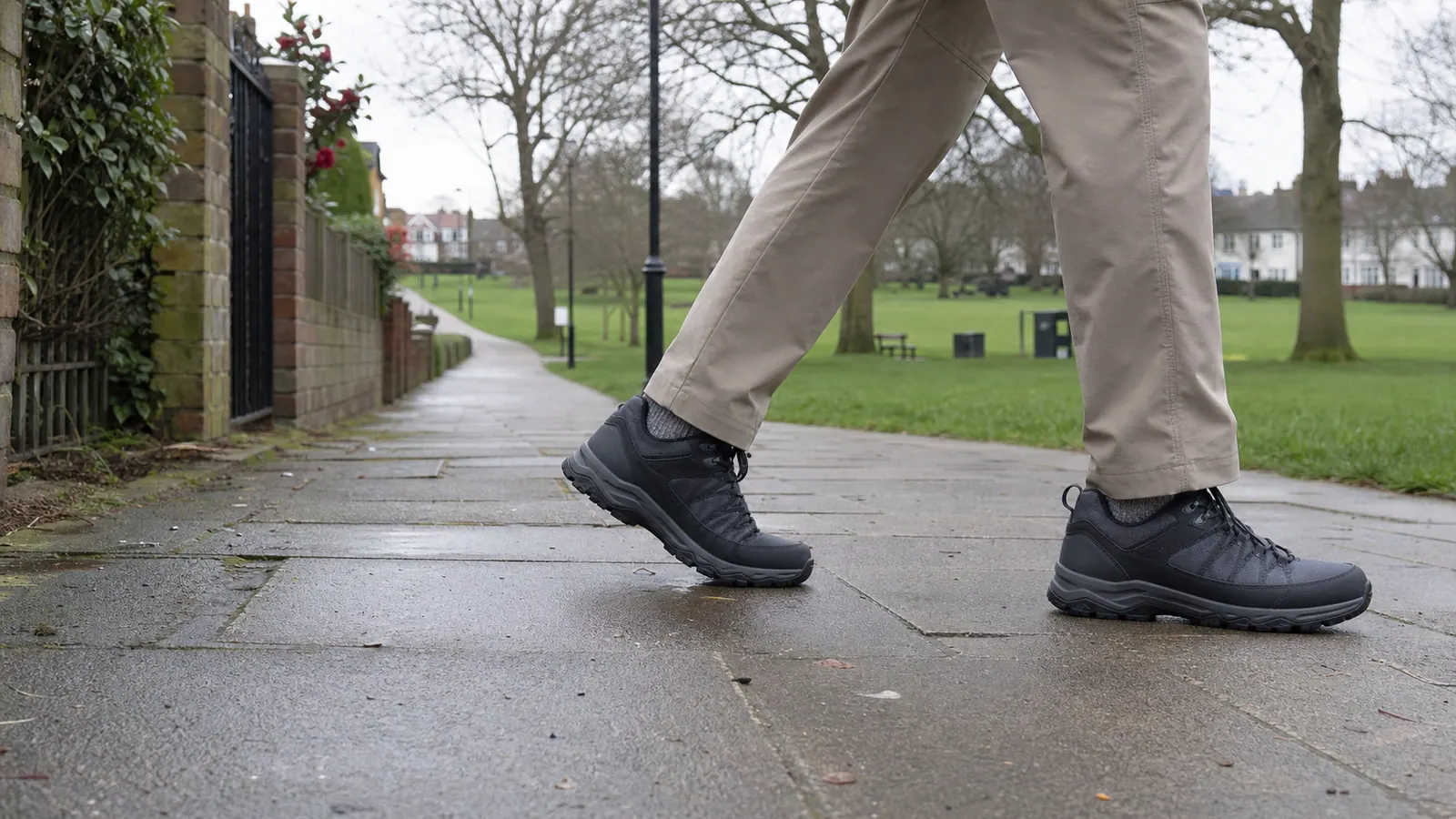
Compare
Use this when a low walking shoe may be enough for your usual routes.
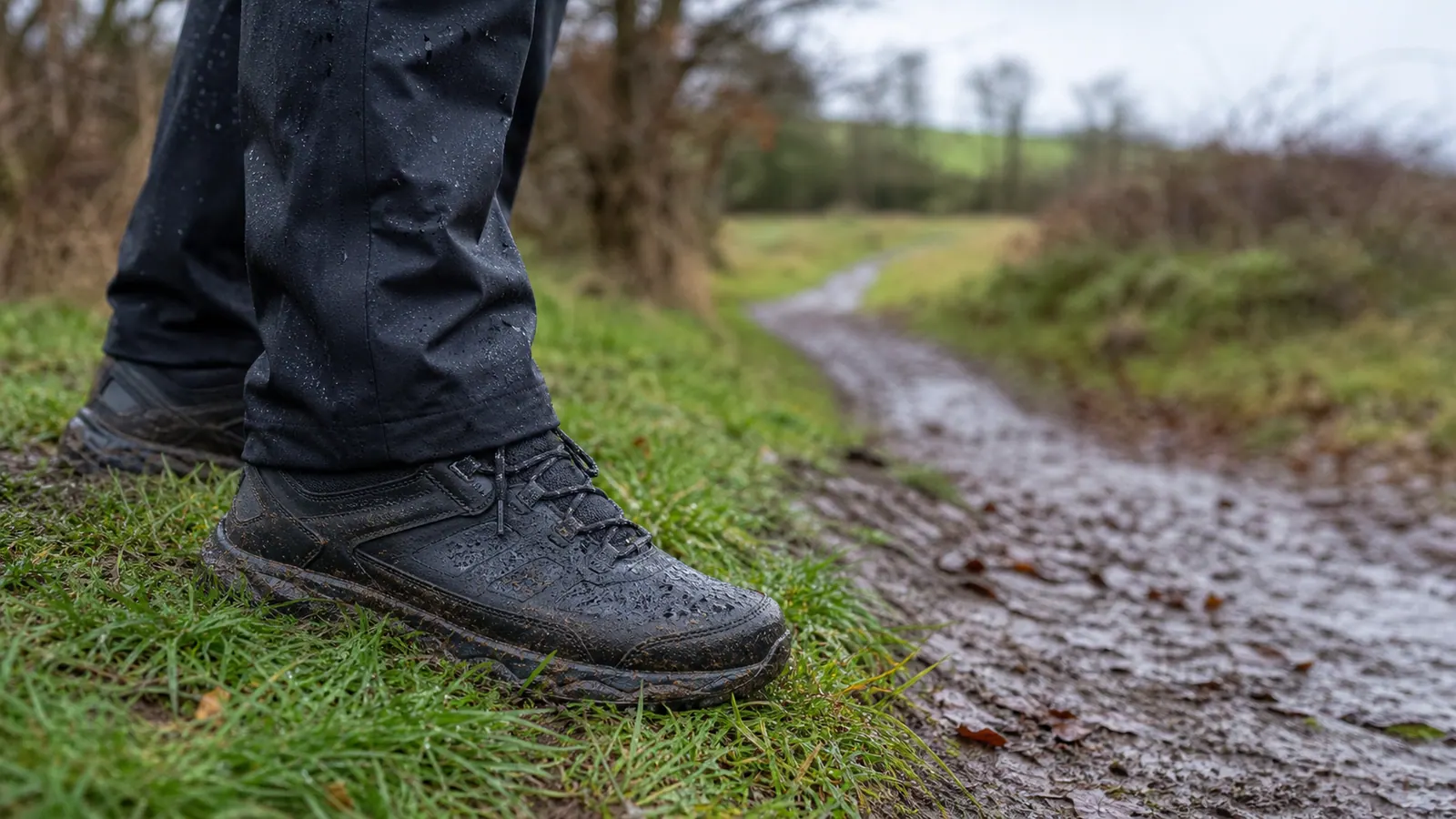
Wet weather
A lighter option for rain and damp pavements when you do not need boot coverage.
Buyer checks
These are the checks that stop a category page turning into a generic list of shoes.
Walking boots can add protection and support, but they are heavier and need more break-in time than shoes. Use this hub for muddy paths, wet grass, colder walks, ankle coverage, grip checks, and the trade-offs that make a boot useful or unnecessary.
walking boots
A grounded guide to choosing walking boots for wet fields, muddy paths, colder days, and rougher UK walks.
Updated 13 June 2026
walking boots
Walking shoes feel lighter. Boots protect more. The right choice depends on the worst part of your usual route.
Updated 13 June 2026
Not always. Boots help on wet, muddy, rocky, or colder routes, but low walking shoes can be better for light paths and everyday use.
They should feel secure, not painful. Check toe room, heel lift, and pressure points indoors before wearing them outside.