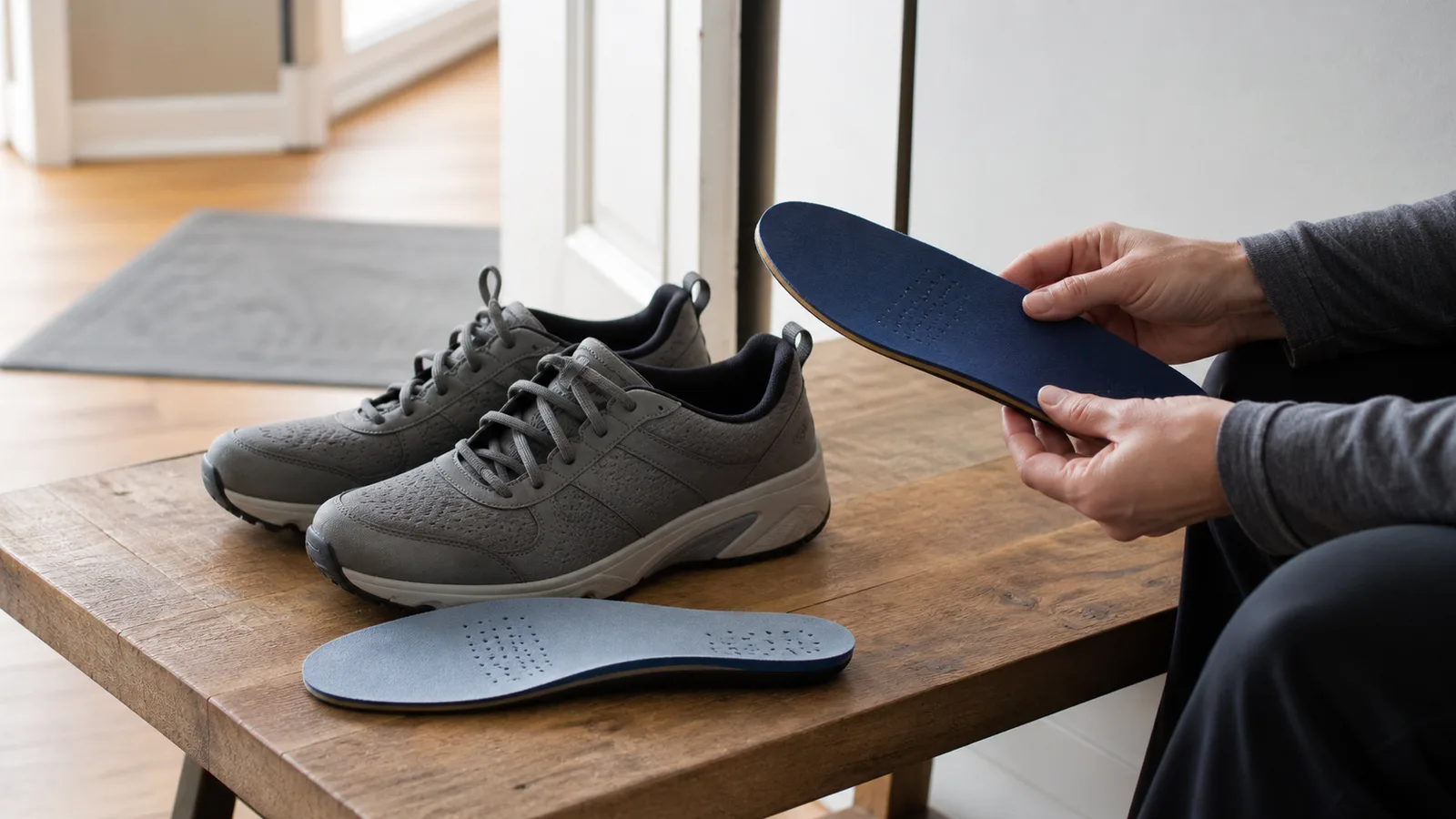
shoe care and accessories
Best Insoles for Walking Shoes: Buyer Criteria That Keep Fit First
Insoles can help tune the feel of a walking shoe, but they can also make a good fit worse. Start with shoe volume, support feel, and returns.
Published 8 June 2026 Updated 13 June 2026
By Ty
Ty's field notes
Read it like a fitting-room note.
Start with the walk. Then look for the thing that could still make the shoe wrong.
- Walk
- shoe care and accessories
- Watch
- A firm replacement insole can make shallow shoes too tight.
- Basis
- Research-based. No hands-on testing claimed.
- Product links checked 13 June 2026.
Choose the next condition
Do not stop at one guide if the walk has another problem.
A shoe can pass one check and fail the next. Use this map to keep narrowing before you open a product page.
Walking shoes for flat feet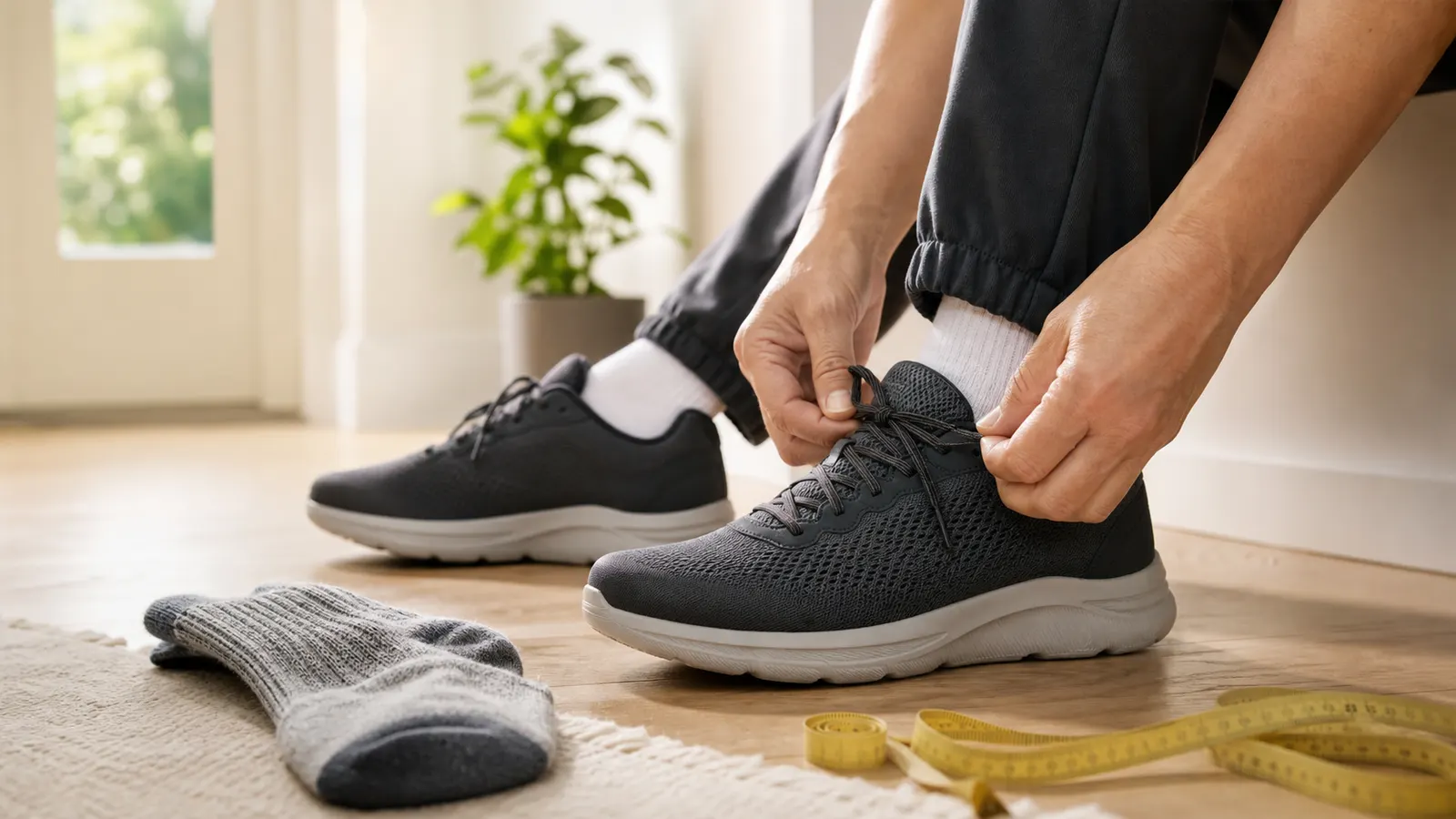 Fit check Toe room without heel slip Use width, lacing, socks, and returns as part of the decision, not as afterthoughts.
 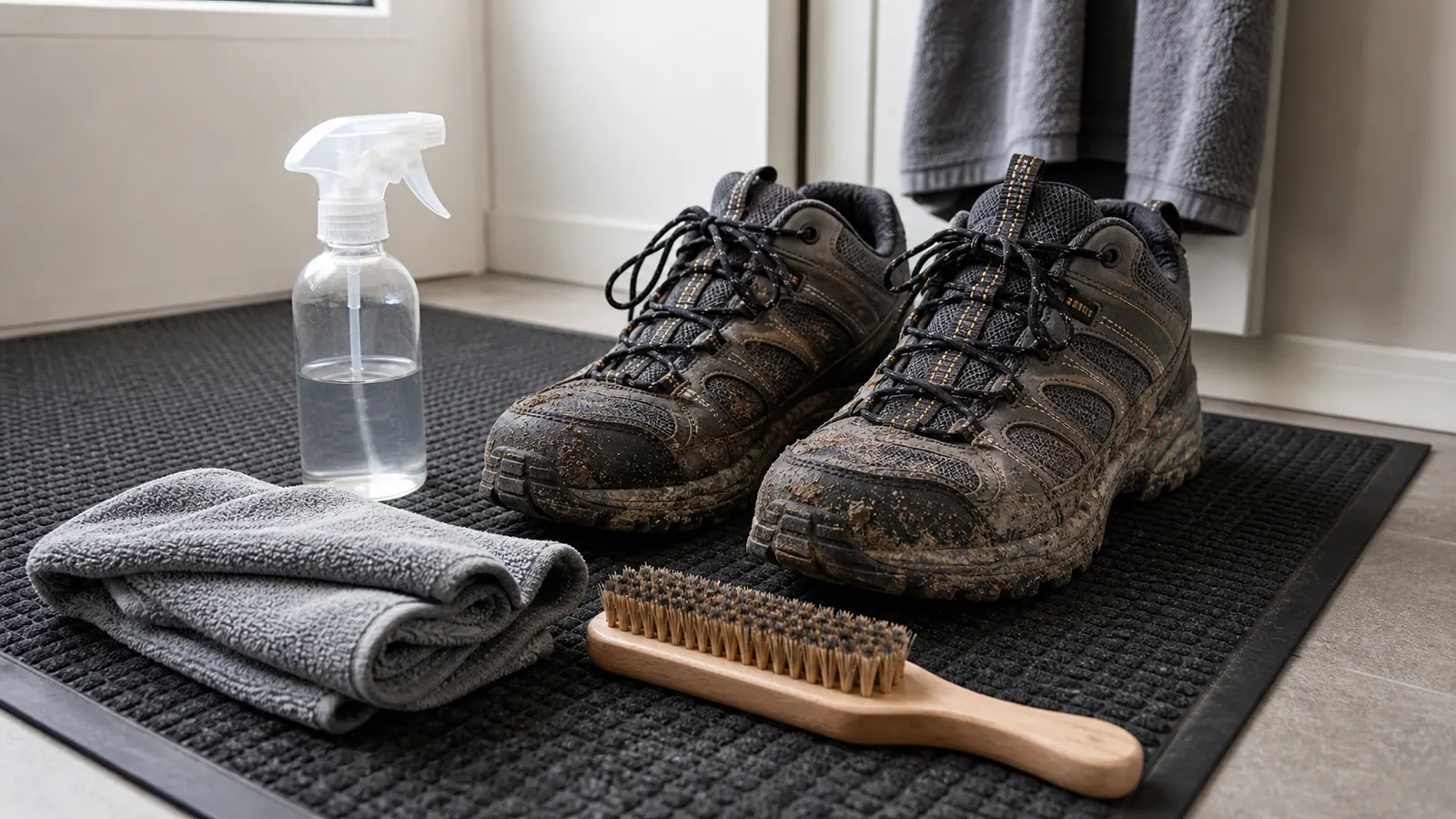 Keep them going Care, insoles, and small fixes Sometimes the useful next buy is a cleaner, insole, sock, or reproofing step rather than another shoe.
 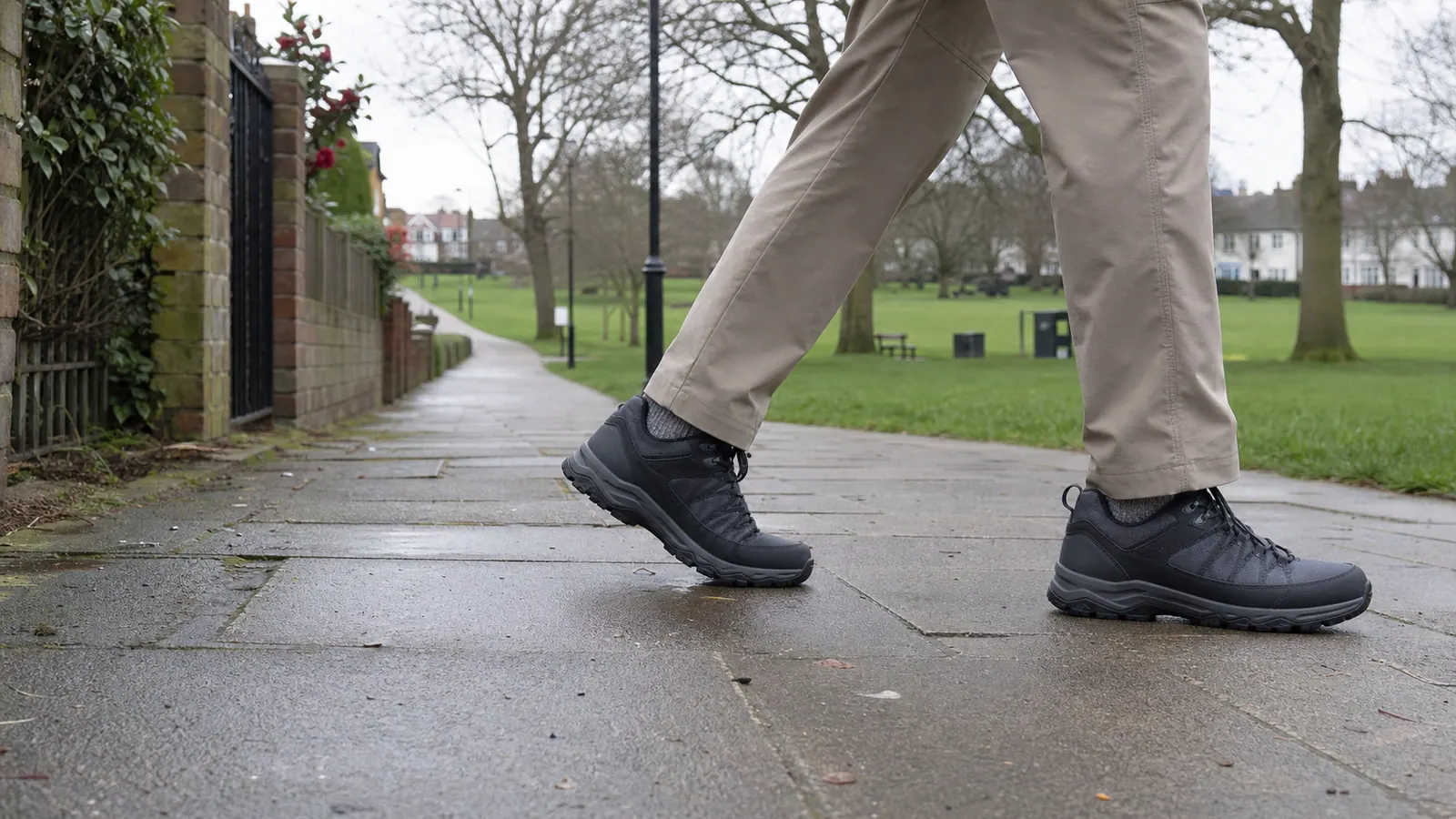 Daily miles Pavements, parks, and errands For ordinary walks, comfort, outsole wear, and fit checks beat the most technical spec sheet.
 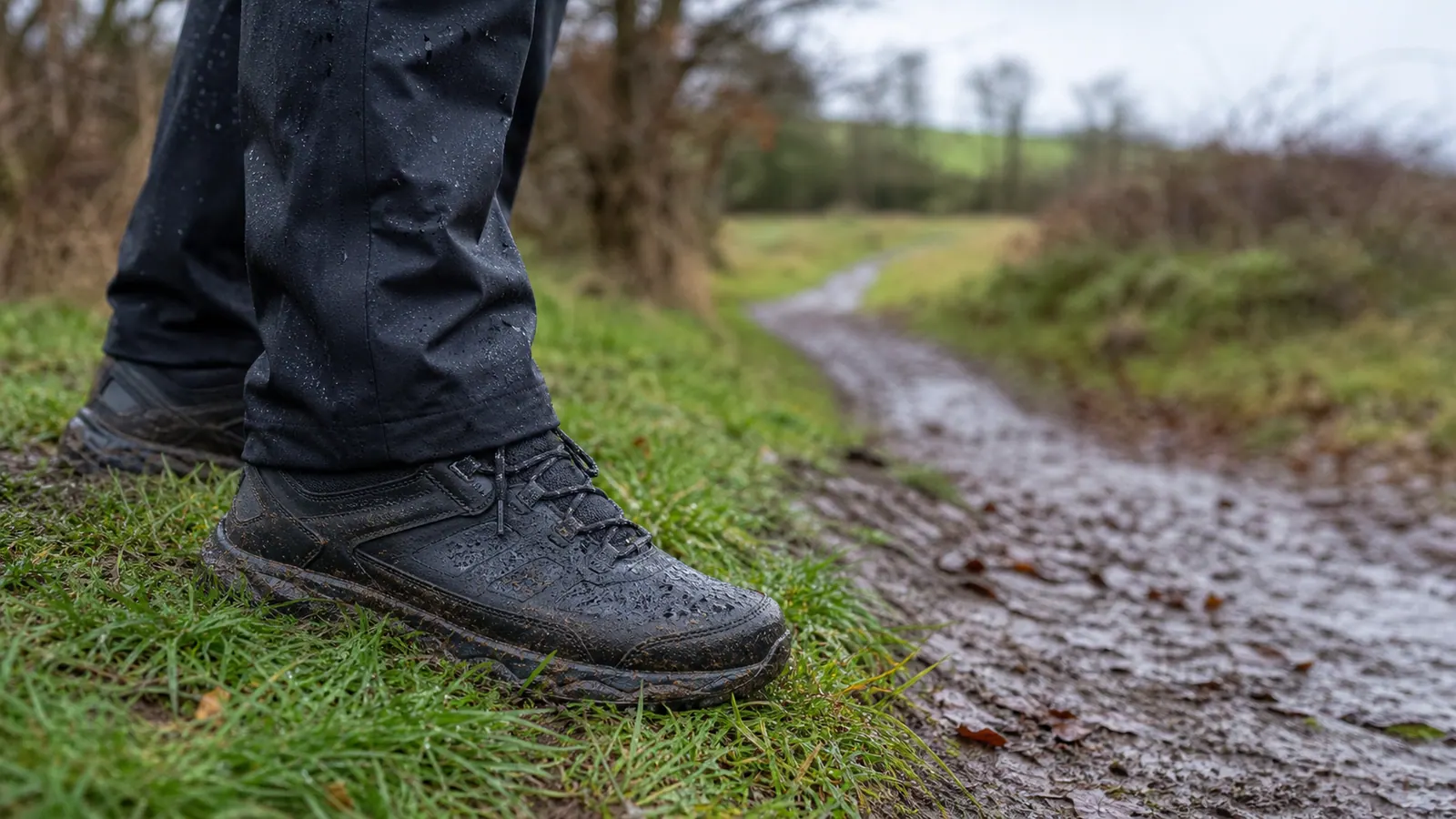 Wet path Rain, grass, and puddles Check waterproofing against breathability, grip, and collar height before trusting the word waterproof.
 Insoles are easy to overbuy.
They look simple.
The fit is not simple.
An insole changes the inside of a shoe. That can help if the original footbed is thin, flat, or tired. It can also make the shoe tighter across the top, push the heel upward, or create pressure where the old fit was fine.
Start with the shoe, then choose the insole.
Check the shoe volume first
Take out the original footbed if it is removable.
Compare the thickness with the insole you are considering.
If the new insole is much thicker, the shoe may feel shorter or tighter even though the outside size has not changed.
This matters most in walking shoes that already fit close around the toes, instep, or heel.
Match support feel to the shoe
Support is not just a stronger arch shape.
It is the whole feel under the foot.
Some insoles feel firm and structured. Others feel soft and cushioned. Neither is automatically better.
For everyday walking, look for a support level that feels steady without creating a hard pressure point.
Be careful with pain claims
Some insole listings use strong language around heel pain, flat feet, or plantar fasciitis.
Treat that carefully.
Foot pain can have different causes, and a product page is not a diagnosis.
This guide is for general buying information only and is not medical advice. Foot pain can have different causes, so speak to a qualified professional if symptoms continue or worsen.
Look for trimming guidance
Many walking insoles are trim-to-fit.
That can work well, but it also gives you room to make a bad cut.
Check whether the product has clear size lines, clear instructions, and a returns policy that still works if trimming is not allowed.
If the old insole fits well, use it as a shape guide before cutting.
Test indoors first
Walk indoors before committing.
Check three things:
- whether the toes still have room
- whether the heel still sits securely
- whether any pressure appears after a few minutes
If the shoe feels tighter straight away, it is unlikely to improve on a longer walk.
When replacing the shoe is wiser
Insoles are not a fix for every worn shoe.
If the upper is stretched, the outsole is uneven, or the heel counter has collapsed, a new insole may only hide the problem for a short time.
For shoes that are structurally tired, replacement is usually the cleaner choice.
Simple buying checklist
Choose an insole only after checking:
- shoe depth
- removable footbed
- return terms
- trim instructions
- support feel
- heel shape
- whether the product makes medical promises
Good insoles are boring in the right way.
They fit the shoe, feel steady, and do not create a new problem while trying to solve an old one.
Product shortlist
These are research slots to check against fit, returns, price, and current availability before buying.
Superfeet
Superfeet All-Purpose Support Medium Arch Insoles
Best for: People comparing a structured trim-to-fit insole for everyday walking shoes with enough depth.
A medium-arch, firm-cushion Superfeet insole for everyday shoes, work footwear, walking, and running where the shoe has enough room for a replacement liner.
- Trim-to-fit
- Medium arch
- Firm cushion
- Sculpted heel cup
Good fit when
- Medium-arch support option
- Trim-to-fit size range
- Designed to replace removable liners
Check first
- Can make shallow shoes too tight
- Support feel is personal
- Not a substitute for clinical advice
Based on official Superfeet UK product pages and the Amazon UK product page checked on 2026-06-13. No hands-on testing is claimed.
Product/link check: 13 June 2026
Official Superfeet UK medium-arch page and Amazon UK direct product page checked on 2026-06-13. Size, seller, price, and returns can change.
Affiliate link opens Amazon UK; check current size, seller, delivery, and returns before buying.
Quick comparison
| Pick | Best for | What to check | Caveat | Link |
|---|---|---|---|---|
| Superfeet All-Purpose Support Medium Arch Insoles | People comparing a structured medium-arch insole for everyday walking shoes | medium arch, trim-to-fit sizing, shoe volume, returns | A firm replacement insole can make shallow shoes too tight. | View |
| Superfeet All-Purpose Support High Arch Insoles | People comparing a firmer high-arch insole for roomy walking shoes | high arch, deep heel cup, roomy shoe fit, trim guidance | A higher, thicker insole needs enough shoe volume and should not be treated as a cure for heel pain. | View |
Pros
- Keeps fit before product claims
- Useful for shoes with removable insoles
- Includes return and trimming checks
Cons
- Support feel is personal
- Can make shoes tight
- Not a substitute for medical advice
FAQs
Can insoles make walking shoes more comfortable?
Sometimes. They can change cushioning, support feel, and heel hold, but they can also reduce space inside the shoe and create pressure.
Should I size up for insoles?
Not automatically. First check whether the shoe has a removable footbed, enough depth, and a returns policy that lets you test fit indoors.
Are insoles medical treatment?
No. This guide is general buying information. Ongoing foot pain should be discussed with a qualified professional.
Sources and further reading
Keep choosing from here
A good shoe choice usually comes from one more check.
If this guide feels close but not exact, use these next pages to narrow the fit, weather, support, and walking surface before you buy.
Related reading
dog walking shoes
Best Walking Shoes for Dog Walking in the UK
Dog-walking shoes need to handle repeated wet grass, pavements, muddy parks, quick exits, and cleaning without pretending one shoe solves every route.
Updated 14 June 2026
waterproof walking shoes
Best Walking Shoes for Rainy Commutes in the UK
Rainy commute shoes need grip, fit, and a sensible waterproofing tradeoff, not just a waterproof label.
Updated 14 June 2026
best walking shoes
Best Walking Shoes for Everyday Walking: A Practical Shortlist
Everyday walking shoes need quiet strengths: fit, grip, comfort, and a return window before the first wet pavement.
Updated 13 June 2026